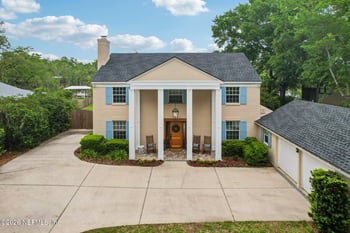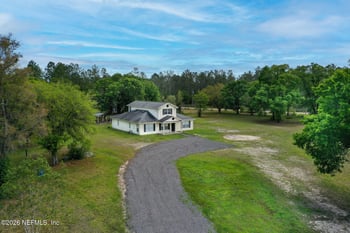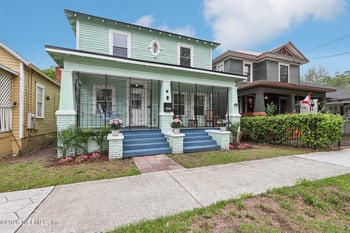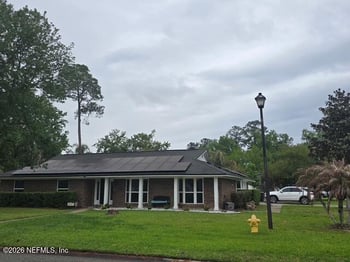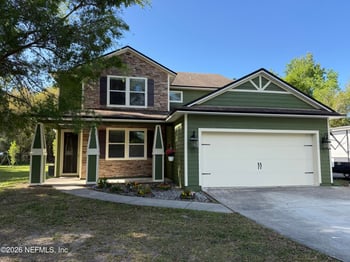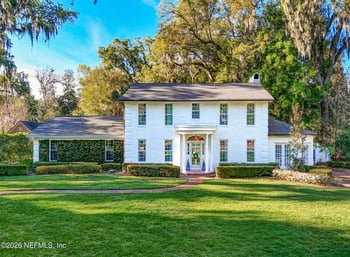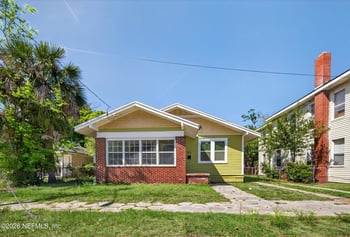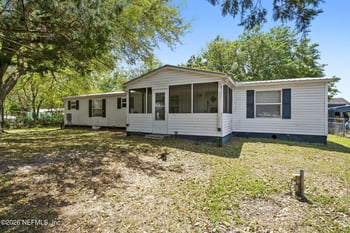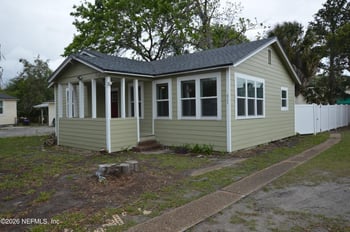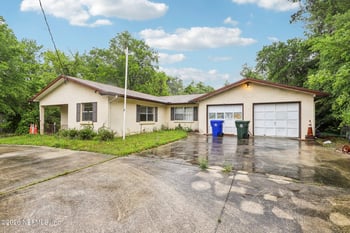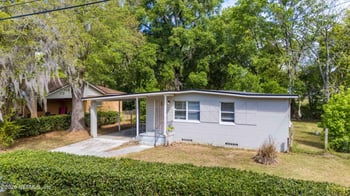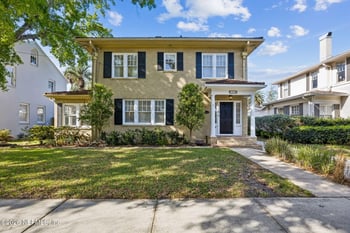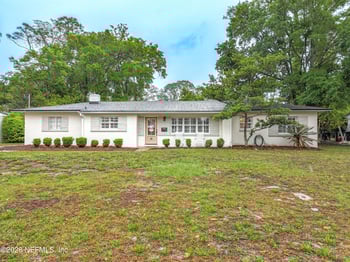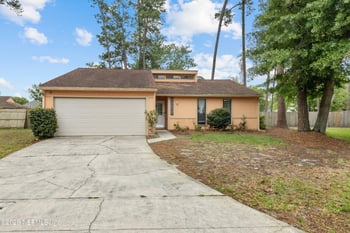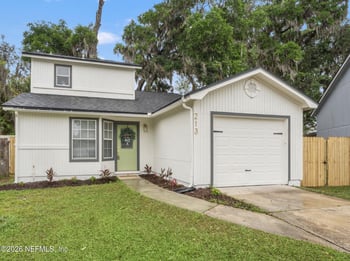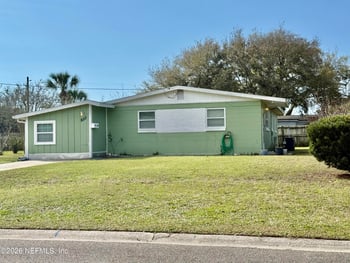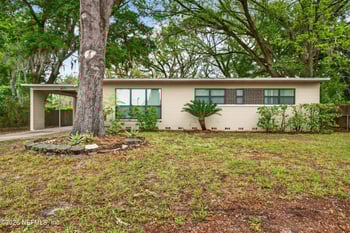
No CDD Fee Homes For Sale
What Is a CDD Fee – Jacksonville, FL
A CDD fee in Jacksonville, FL, covers the cost of infrastructure and amenities in your neighborhood and is separate from property taxes. These fees ensure well-maintained amenities like parks, pools, and common areas, creating a pleasant living environment. CDD fees consist of maintenance costs and debt servicing for community development bonds. Calculated based on infrastructure expenses and property size, they’re paid annually through your property tax bill. Unlike HOA fees, which handle property upkeep, CDD fees focus on broader community enhancements. A well-funded CDD can boost property values, making your neighborhood more desirable. Curious about the specific benefits and services covered?
Main Points
- CDD fees fund infrastructure and amenities in Jacksonville neighborhoods, separate from property taxes.
- Fees cover maintenance of community features and repayment of bonds used for initial construction.
- Calculated based on infrastructure costs, property size, and amenities; included in annual property tax bills.
- Distinct from HOA fees, which are separately paid and cover property upkeep.
- Well-funded amenities through CDD fees can enhance property values and community appeal.
Definition of CDD Fee
A CDD fee, or Community Development District fee, is a charge you pay to help cover the costs of infrastructure and amenities in certain neighborhoods. These fees make sure that your community has good roads, reliable utilities, and nice recreational facilities. They’re not just another part of your property tax bill; they’re a separate assessment, meaning they’re different from your usual property taxes.
When you live in a community with CDD fees, you’re helping to pay for the upkeep and operation of the area’s amenities and services. Imagine enjoying a clean pool, a well-equipped gym, or nicely landscaped parks—all funded by these fees. The CDD is responsible for maintaining these services, so you can enjoy your living environment to the fullest.
Understanding these fees is important if you want to know the financial responsibilities tied to your property. CDD fees might seem like an extra cost at first, but they’re crucial for keeping your neighborhood in good shape. By covering the costs of infrastructure and amenities, these charges help create a better and more sustainable living experience for everyone.
Purpose of CDD Fees
CDD fees help pay for building and taking care of important things in your community. When you buy a home in a planned neighborhood, you’re getting more than just a house. You’re also getting well-kept roads, bridges, utility lines, and fun places like pools. The Community Development District (CDD) uses these fees to make sure everything works well and looks nice.
These fees are spread out over 10-30 years, letting developers borrow money through special tax-free bonds. This way, you can enjoy a modern and well-equipped community without paying a huge amount all at once.
If you sell your home, the new owner will take over the remaining fees, which helps keep the community growing and improving. Understanding why CDD fees exist helps you see their value. These fees make sure your neighborhood stays a great place to live with good infrastructure and amenities.
Thanks to this setup, you can enjoy living in a well-planned area, knowing there are resources to keep it nice and functional.
Components of CDD Fees
Understanding CDD fees in Jacksonville, FL helps homeowners know where their money goes to keep their community nice. CDD fees have two main parts: the maintenance fee and the debt servicing bond.
The maintenance fee is used to keep community amenities like pools, parks, and common areas in good shape. This ensures these places are clean, safe, and ready to use.
The debt servicing bond is for repaying the money borrowed to build the community. This covers the costs of making roads, utilities, and other important facilities.
Homeowners pay these CDD fees each year as part of their property taxes. Knowing how the maintenance fee and debt servicing bond work helps you see how your money supports your community. This knowledge helps you understand the benefits of living in a CDD community.
How CDD Fees Are Calculated
To figure out how much you’ll pay in CDD fees, several things are considered, like the cost to build and maintain the community. First, there’s the cost of building infrastructure, which includes roads, utilities, and recreational areas. These are often paid for through bonds, and your fee is a part of paying back these bonds each year.
Next, there’s the cost of ongoing maintenance. This covers the daily care of the community’s features and services. For example, taking care of the swimming pool, landscaping the common areas, and keeping security systems running smoothly all fall under this fee.
The size of your property also affects the fee. Bigger properties might’ve to pay more because they use more of the infrastructure and maintenance services. Additionally, if your community has more amenities like golf courses or clubhouses, the fees will likely be higher.
In Jacksonville, FL, you pay these fees yearly as part of your property tax bill. This makes it an expected expense that helps keep your community in good shape.
CDD Fees Vs HOA Fees
When comparing CDD fees to HOA fees, you’ll notice they have different roles in a community. Community Development Districts (CDDs) mainly pay for things like roads, parks, and recreation areas. In contrast, HOA fees cover property upkeep, such as landscaping, security, and fixing common areas.
CDD fees are included in your property tax bill, making them easier to pay. HOA fees, however, are paid separately, usually monthly or quarterly, directly to the homeowners association. This difference can affect how you manage your budget.
The CDD board sets the amount you pay in CDD fees, and they can change based on the community’s needs and big projects. HOA fees are decided by the homeowners association and generally cover day-to-day costs.
Understanding these differences helps you make better choices about your living expenses. Knowing what each fee covers lets you better appreciate the services provided by both your CDD and HOA.
Benefits of CDD Fees
By paying CDD fees, you get to enjoy well-kept amenities like pools, parks, and recreational facilities that make your community a pleasant place to live. These fees help create a resort-like atmosphere that many Florida neighborhoods are famous for. Picture starting your day with a swim in a clean pool or taking a relaxing walk through nicely maintained parks—these perks are possible because of CDD fees.
Unlike a typical Homeowners Association (HOA), a Community Development District (CDD) ensures that the infrastructure and amenities are top-notch. Your CDD fees help maintain these shared spaces, making sure they stay in great condition for everyone to enjoy. Good infrastructure and well-kept amenities can make your community more attractive and even increase your property value.
The CDD also takes care of regular maintenance tasks, so you don’t have to worry about them. This means a consistently high standard of living for everyone. The money collected is used to manage and improve the community, creating a place you can be proud to call home.
Understanding the benefits of CDD fees helps you see how they contribute to maintaining and enhancing your community’s overall quality of life.
Services Covered by CDD Fees
CDD fees in Jacksonville, FL, cover many important services that make the community a better place to live. These fees help keep common areas and amenities, like parks, playgrounds, and community pools, in great condition. The landscaping is always well-kept, making the neighborhood look beautiful and enjoyable.
The CDD fees also help with taking care of infrastructure. This includes fixing roads, maintaining street lights, and even providing security services to keep the neighborhood safe and well-lit. Essential systems like sewers, drainage, and water management are also maintained through these fees, preventing problems and ensuring a healthy environment.
For those who love having well-maintained communal spaces, these CDD services are essential. They not only make daily life better but also increase the value of homes in the community. Investing in a property in one of these CDD communities means you’re getting more than just a home; you’re getting a lifestyle filled with convenience and well-kept amenities.
Paying Your CDD Fee
Understanding the services covered by your Community Development District (CDD) fees is important, but knowing how to pay them is just as vital for managing your property expenses. In Jacksonville, FL, CDD fees are usually included in your property tax bill, which makes it easier to handle all your payments in one place. However, remember that these fees are separate from your real estate taxes.
When you move into a new home in a development, you’ll have to pay CDD fees that generally have two parts: the operations and maintenance fee, and the bond (debt) fee. The operations and maintenance fee pays for the community amenities and services, making sure your neighborhood stays nice and well-kept.
You usually pay CDD fees monthly, which helps spread out the cost over the year and makes it easier to budget. Knowing this can help you manage your property expenses better. By keeping up with these payments, you can avoid any unexpected costs and enjoy your community without any stress.
Impact on Property Value
Homes in Jacksonville, FL can become more valuable because of the amenities funded by Community Development District (CDD) fees. When you buy a home in a CDD, you’re not just getting a house; you’re also getting access to great features like pools, parks, and sports facilities. These amenities make the neighborhood more appealing.
CDD fees help keep these amenities in excellent condition, making the area more attractive to buyers. This often leads to higher property values. People are willing to pay more for homes that offer a better quality of life, and the amenities funded by CDD fees are a big part of that.
In Jacksonville, FL, it’s important for both buyers and sellers to understand how CDD fees affect property values. Buyers see the extra benefits of these amenities, making homes in CDD communities more desirable.
Sellers can use this to justify higher prices for their homes. In the end, the well-kept amenities funded by CDD fees make the community more appealing and increase property values for everyone.
Frequently Asked Questions
What Is a CDD Fee in Jacksonville, Fl?
You’re wondering what a CDD fee in Jacksonville, FL is. It’s a charge you pay for infrastructure and amenities in your community. It’s separate from property taxes and ensures your neighborhood stays in top shape.
What Is the Average CDD Fee in Florida?
Paying an average CDD fee in Florida, which ranges from $300 to $6,000 annually. You get resort-style living and well-maintained amenities, enhancing your quality of life and home value.
How Long Does a CDD Last in Florida?
A CDD in Florida usually lasts 10 to 30 years. You’ll need to pay the fees until the bonds are fully repaid. Planning ahead helps you manage this long-term financial obligation without feeling constrained.
What Is the Difference Between HOA and CDD in Florida?
HOAs manage property upkeep and enforce rules, while CDDs finance and develop infrastructure. You’ll pay HOA fees for maintenance and CDD fees through taxes for amenities. Both enhance living but serve different roles in Florida communities.